|
|
|
|

 |
|||
|
|
|
||

|
|
|
We are U.S.A. Tax-Accountants, Business Advisors, PR Experts, and Brand Managers, for Touring and In-residence Artists and DJs.
"We Empower AMBITION!!" THANKS for PULLING-UP on this webpage. Are you an ARTIST or a DJ? What do you have going on in this industry!!!!!!? What is your game plan for WORLD DOMINATION? How are you focusing on it? We have a lot of things going on. THINGS ARE POPPING!!! STREAMING PLATFORMS ARE ON FIRE with MONSTER HITS and TRENDING VIBES!!! PERFECTION-IN-MOTION!!! FANS ARE ON FIRE!!! THEY ARE GOING HARD--ALL GAS AND NO BRAKES!!! Their ENERGY is UNCONTROLLABLE and UNSTOPPABLE !!!!!! Artists we have PROMOTED(PR) have TOURED the WORLD. Gross TICKET SALES PER TOUR Range from US$800 Million to US$2-Billion. THREE Bands have been inducted into the ROCK'N ROLL Hall of Fame. Another FOUR Artists are on top of the Charts for Artists of the year awards; and ANOTHER Artist, a MONSTER hit maker, is the undisputable WINNER of the "TOUR OF THE CENTURY" award. She has been OFFICIALLY nominated to join the "SONG WRITERS HALL OF FAME" in 2026. On top of that, her name is about to be entered in the "GUINNESS BOOK OF WORLD RECORD". It DOESN'T get better than that; and we are Very EXCITED about those OUTCOMES / RESULTS. "We make things happen. We get things done, BIG-TIME!!!". RESPONSES from our CLIENTS and their SCREAMING FANS are OVERWHELMINGLY Impressive. We wake up EVERYDAY with a BURST of ENERGY and ENTHUSIASM. We are PUMPED-UP; and we are READY to go HARD for them, BIG-TIME. LOYALTY, all the way! Oh, Yeah!!!! We understand your need for RELIABLE and DETAIL information that are unique to your career in the music industry. Hence, you are in the right place. We are READY to work with you, if EXCEPTIONAL Results, and Peace-of-Mind are Important to you. TIME MANAGEMENT is VERY IMPORTANT to us. HIT-ME-UP when you are READY to do BUSINESS with us. Our NEW Virtual / Streaming Platform had initially provided updates for 50,000,000 concerts viewers. Presently, the MULTIPLIER / RIPPLE effect is OVER One BILLION viewers ("PLATFORM-IN-TOPFORM"). We use this PLATFORM in CONJUNCTION with our BUSINESS WEBSITE to PROMOTE our clients in the Entertainment Industry:-(LEVERAGE and SPEED TO MARKET). "We LOVE them. We have their backs; and we are going HARD for them, BIG-TIME!!!" MASSIVE Network Synergies; and COHESIVE Groups Dynamics. LOYALTY, all the way. Oh, Yeah!!!!" We are LAZER-FOCUS and RESULTS-ORIENTED with a CLIENT-CENTRIC Approach. We helped PLAN our Clients "SPECIAL PROJECTS"; and we are PROFICIENT at managing their expectations. We have the EXPERTISE ("Industry-Specific Knowledge"), SHARED-PASSION, CLEAR VISION, MASSIVE NETWORK SYNERGIES, STRONG WORK ETHICS, EFFICIENCY, and the UNWAVERING COMMITMENT they need to accomplish their goal/mission. We have helped them overcome FINANCIAL and ECONOMIC challenges /hurdles; and we have SAVED / RECOVERED for them over U.S. $450 million in discretionary expenses/expenditure and taxes in the USA and Overseas. We Need from you, TWO items UP-FRONT #1) A copy of the CONTRACT you signed with the Event Promoter. #2) A copy of your tour ITINERARY. You will get from us, an ENGAGEMENT LETTER (Written Agreement) that CLEARLY states EVERYTHING that YOU and US agreed upon. BOTH, YOU and US, will give a COPY of this Agreement to OUR respective Attorneys / Lawyers. You will ALSO give a copy of this agreement to your EVENT PLANNERS (Your Business Manager, Chaperone, Tour Co-ordinator, Tour Manager, and your Booking Agency); so that EVERYBODY is READING from the SAME PAGE(Ethical Standards and Accountability). "That is How We ROLL!!". We are U.S.A. Entertainment Tax-Accountants, Business Advisors, PR Experts, and Brand Managers, for Touring and In-Residence Artists and DJs:- "They are On-A-ROLL!!". "They are ON-FIRE!!". Their SOLD-OUT shows are BREAKING attendance record and BOOSTING Economic activities(GDP) in EVERY city. We have/got their backs; and we are going HARD for them. You can see those BIG SMILES on their faces. We help them make their tour a MEMORABLE event with an ENDEARING story to tell. Oh, yeah!!!! We COMBINE / MERGE our EXPERTISE in BUSINESS, TAXATION, ACCOUNTING and MARKETING with our TRAINING, EDUCATION, INDUSTRY-SPECIFIC KNOWLEDGE and EXPERIENCES in this INDUSTRY: - (A RARITY in the Entertainment Accounting Profession). We have done work for some of the BIGGEST NAMES in the Entertainment Industry (MUSIC, FASHION, SPORTS, FILMS, and HOSPITALITY). We work/operate from the BUSINESS, TAXATION, PUBLIC RELATIONS, and BRAND MANAGEMENT Sides of this Industry (Effective Communication, Business Planning & Execution; Financial Management; USA and Foreign Tax Compliance Issues (IRS in the USA; and IRD Overseas); Purchase & Sale of Investments; Investments Diversification Strategies for Safety & Protection from Volatility in speculative markets; Returns on Investments; Risk Mitigation Planning (Crisis and Emergency Management); and Accountability). We answer our clients TOUGHEST QUESTIONS, and we share our Co-competencies, Insights, and Over-sights with them. We get things done EXPEDITIOUSLY, and we have delivered EXCEPTIONAL results EVERYTIME. We keep them smiling (Signed NDA). Lets get to the SPECIFICS and keep it REAL!!
Congratulations (Carrie Underwood) Congratulations to COUNTRY / ROCK / POP STAR; and the Talented, Versatile, Vivacious; and Grammys and Albums of the year Winner, Carrie Underwood. Her new Tour, "Denim & Rhinestone" starts from October 15, 2022 to March 17, 2023, (43 concert dates across the USA). The Tour is in honor of her 9th Studio Album with the same name. "She is On-A-ROLL!!". She is donating $1 for every ticket sold. Donations will go to "The Tunnels to Towers Foundation", a non-profit foundation that supports U.S. Veterans and their families. DONT get left out! GRAB your spot fast!! Tickets for the tour are selling like hot cakes. Oh, Yeah!!!! "A Night Of Joy" concert in Nashville, Tennessee. Wednesday April 12, 2023. Carrie Underwood will be performing at this benefit event to raise money for the victims of the "Nashville Covenant School" shooting. Grab your tickets fast. A mere/slight mention of her name will generate excitement and cause a stampede. You, Bet!! Carrie Underwood 43 Cities SOLD-OUT Concert tour in the USA started and ended with a, "BANG!!!". The Tour GROSS Ticket Sales is US$888.7 Million --- (That does not include Merchandise sales, Public Appearances, Films/Movies, Endorsements, Fashion Modeling, Speaking Engagements, etc.). There are RECORD occupancy in Hotels and Motels rooms and Airbnb rentals; and a BIG boost in the economic/tourism sector in EVERY CITY. Her merchandise were SOLD-OUT in EVERY VENUE. Her musical set is a masterpiece. Her fans were enthralled with her performances and the bars she belted-out. They were reciting her songs like church choirs; and screaming for more lyrics from her repertoire of Hit songs and Medley of Fans-favorite songs. She is "On-A-ROLL", with BACK-2-BACK Touring and In-Residence Shows. She is back In-Residence at Las Vegas World Resort Theater where she will be performing 40 Live Shows with breaks (days-off) between shows. Her Live show, "Reflection" is a MUST to see (A Mind-blowing event:- A breath-taking musical journey, coupled with her bubbly personality, alluring and Irresistible Smiles; and her hilarious one-liners) -A rarity. Show-Time Dates:-(June 21 to July 01; September 20 to 30; and November 29 to December 16, 2023). Super-fans and Cross-over fans are coming from countries around the world. GRAB your tickets now/today, at "EARLY BIRD" price; and get Priority Entry, Early Access to Merchandise Stands, Discount at select Bars; AND Photo Opportunity, and a BIG TEXAS HUG from an AMAZING Lady before fans start camping outside the theater like a pilgrimage. Call Box Office Ticket Sales (888) 862-3043. Easy-Peasy!! *****NOTE:-New Arrivals of Designers Collection (KEEPSAKES) are flying off the racks. Bergdorf Goodman, N.Y. Store (212)753-7300 got the BAG, Clothing, Jewelry & Accessories at discount price. Ask for Ms. Pierre(Saint Laurent, Loewe, Prada, Tom Ford, Valentino, Balenciaga, Christian Louboutin, Brunello Cucinelli, Givenchy, Dolce & Gabbana, Bottega Veneta, etc.). Essential components of a GOOD handbag:- Appearance/Looks, Practicality, Longevity, and Value. *****NOTE:-The best Tailors and Seamstresses use Guggenhein Scissors. It is Sharp, Comfortable, and Reliable. Get yours today at GUGGENHEIN.COM. Try it for 90-days. Your Satisfaction is GUARANTEED.
Congratulations (Taylor Swift) Taylor Swift is in the house!!!! AC/DC fans!!; LaRuku fans!!; Scorpions fans!!; The Gazette fans!!; Rolling Stone fans!!; The Who fans!!; Judas Priest fans!!; Pink Floyd fans!!; Led Zeppelin fans!!; Guns N Roses fans!!; and Radio Head fans!!. Buy your tickets now/today and show Taylor Swift some LOVE!!!. Oh, Yeah!!!!!!! Her "ERAS TOUR" began in Glendale, AZ in March 2023. It has generated a RECORD BREAKING Gross Revenue of US$1.5 Billion, and she has added US$4.6 Billion to North Americas Economy. For Taylor Swift, that is just a WARM-UP / a rehearsal / a practice session, for the BIG events ahead; and She has energy to burn. Her AMBITION and INDOMITABLE spirit are MIND-BLOWING. She is an ECONOMIC PHENOMENON. Her Music and Business Acumen are SHARP and AUTHENTIC as her SENSE of Social Responsibility. "We LOVE her!! We have her BACK; and we are ROLLING HARD with her, BIG-TIME. MASSIVE Network Synergies!!! COHESIVE Groups Dynamics!!! LOYALTY ALL THE WAY!!! Oh, Yeah!!!!!!". The tour had a rocky start because EXTREME DEMAND for ticket purchases had CRASHED Ticket-Master system and Break Streaming Records. She is Focus, Resilient, Clever, Tactical, and VERY Strategic. She has managed to complete the 27 North America Tour Dates in Inglewood, CA on Aug. 09, 2023. She showed her gratitude by donating Millions of dollars and Truck-Loads of provisions/produce and groceries from local Farmers and Supermarkets to Food Banks in almost EVERY city where she has performed; and paying a BONUS of US$100,000 to EACH of the 50 Truck Drivers in her tour crew; and a bonus to ALL the other members in her entourage. Everybody is smiling, like they win the Lottery. She is heading to Canada, Mexico, South America, and St. Lucia to perform a slew of shows from August 24 to Nov. 26, 2023. She knows how to Feed Fans Frenzy; and Brazilians CANT get enough off her. She has Brazil on LOCK-DOWN, with SOLD-OUT shows in Rio de Janeiro and Sao Paulo. This has started a bidding frenzy among the other South American countries, as each country eagerly competes for a BOOST in Tourism, Employment Opportunities, and an Influx of cash to stimulate its economy and increase its GDP(the Ripple/Multiplier Effect). (The film/movie for the "Eras Tour" concert has generated over $100 million in Pre-Sale tickets. It has broken Box-Office Record. It will be shown in theaters and other outlets on October 13 & 14, 2023). The Asia, Australia, and European leg of the tour started in February 2024; and "SWIFTIES"(that is how she affectionately calls her legions of super fans) over there are Super Excited/Elated. There are THREE sold-out shows in Australia (Sydney and Melbourne). It is "Taylor Swift mania in Australia!!". "You can feel the THUNDER down under!!" as over 300,000 Aussie Super Fans and Cross-over Fans RECIPROCATE the LOVE. Thank you, AUSTRALIA!!!. "We LOVE you, BIG-TIME!!!" Oh, Yeah!!! The UK leg of the "Eras Tour" starts on June 07, 2024 in Scotland (BT Murray Field Stadium); and will end in August 2024 at Wembley Stadium. EXCITEMENT is in the air; and the CROWD (Full-blown "SWIFTIES" and Cross-Over Fans) becomes more electrifying as Taylor Swift graces the MAIN stage with REGAL SPLENDOR. They are ENTHRALLED and ENTRANCED with the SUCCESSES of the SUPER-STAR. They are SHOWERING her with LOVE. She is a DARLING. Due to OVERWHELMING demands, there is a total of 15 shows in the UK( 3 in Edinburgh; 3 in Liverpool; 3 in Dublin; and 6 in Wembley Stadium, London). Those venues are SOLD-OUT with RECORD-BREAKING attendance in EVERY venue. BRITS are experiencing the BIGGEST influx in TOURISM; and an additional 1 BILLION POUNDS (US$1.24 Billion) added to their GDP from the BIGGEST and most LUCRATIVE concert tour the UK has ever experienced; and the Bank of England (The UK Central Bank) has glowingly commented on it to the BBC. Barclays Bank calls the new influx of cash, "SWIFTO-NOMICS". TAYLOR SWIFT is a Music POWER-HOUSE and a HIT-MARCHINE. She is the WINNER of SEVERAL Albums-of-the-year awards. "She is ON-A-ROLL!!"; and her MASTER-PIECES (Iconic Beats, Catchy Hooks, and Trending Vibes from her Monster Hits) are TIMELESS and ELECTRIFYING. She is ROCKING the UK like a hurricane; and OVER 1.2 million BRITS (Die-hard "SWIFTIES" and CROSS-OVER Fans) are having a BALL/a real BLAST. They will REMINISCENCE about those EVENTS for the REST of their LIVES. Oh, Yeah!!! The "Eras Tour", FOREVER!!! Taylor Swift, FOREVER!!! -- A LEGENDARY POP SUPER-STAR. She is also a ROCK-STAR, COUNTRY-STAR, and a GOOD human being. "We LOVE her; and we have her back, BIG-TIME!!!" Thank you, BRITS for your OVERWHELMING Love, Support, and Hospitality. "We LOVE you, BIG-TIME!!" Oh, Yeah!!!!! There is a total of 100 shows outside of North America. Each show has a 3.5-hour Set-List. FINALLY, This BLOCK-BUSTER and WORLD-RECORD BREAKING 149 Concert Tour that crossed 5 Continents has GROSS OVER U.S. $2 BILLION. The EXACT AMOUNT IS US$2,077,618,725 Billion in Ticket Sales. That is REAL MONEY; and it is RECORD-BREAKING. It is BIGGER/LARGER than the BUDGET in some COUNTRIES (That number does not include the sale of Merchandise, Album Sales & Streaming, Film/Movie Rights, Licensing Deals with Major Brands, Speaking Engagements, Endorsements Deals, Lucrative Fashion and Brand partnerships, Lifetime product deals, etc.). "Taylor Swift is the Real-Deal!!". She is an astute business woman. Everything that happens in her organization has her approval. She IGNORES outside negativities/RUBBISH. She is FOCUS and PRE-OCCUPIED with extending and enhancing her BRAND. She is in collaboration with British Fashion Designer, Stella McCartney. She cares about things that resonate and have an indelible impact on her Legions of Fans. She is the CEO and the COO of her organization -- A monumental/humungous undertaking; but she is proficient at delegating responsibilities and getting ASTRONOMICAL results. KUDOS to her!! Countries that host her shows have OPENLY/PUBLICLY thank her for boosting their GDP. Their STATISTICS have shown the BIGGEST influx in TOURISM and GDP (Economic Stimulus before the Pandemic, and after the Pandemic). HOTELS, MOTELS, INNS, COTTAGES, GUEST HOUSES, and AirBNB rooms are completely SOLD-OUT; and VACATION HOMES are filled because of EXTREME demands; and MANY VISITORS are paying for LODGING in their FRIENDS and FAMILY members homes. Airlines flights are up by 20%; and Air Traffic Controllers and Airport workers are working overtime (Slow-time has turned into Peak-time). Commercial Banks (remittances/transfers and foreign exchange), Cruise Ships, Charter Tour Companies, Local business owners, Taxi owners, Rental vehicle companies, and Gasoline and Diesel filling Stations are flushed with an Influx of Cash from tourists and concert-goers. This is also due to RECORD-BREAKING concert attendances, SOLD-OUT venues, and SOLD-OUT merchandise in EVERY country. Lets see how the "GUINNESS BOOK of WORLD RECORDS" will handle that. Oh, Yeah!!!!!!! *****NOTE:- Emergency Medical Flight 24/7 (Plane, Pilot, Nurse, and Paramedic):- "Angel Medical Flight". Calling from the USA (855) 550-9730. From Overseas (480) 634-8017. "Medway Air Ambulance":- Calling from the USA (770)963-1412. Ask for Kirsty. *****NOTE:-You can read for FREE, on Amazon, my Best Selling Book:-"Sweet Success, knowledge & quick-skills in 30 minutes by Clemson Barry" (Paper back, Kindle, I-Phone, etc.). It is a BEST SELLER in the USA, UK, Canada, Australia, and New Zealand.
Congratulations (Daniela Di Lillo) DJ, "Nora En Pure", is Rocking the house!!!! She is dropping those musical bars HARD!!! Listen to the sound on BIG speakers!!!. Perfect Drops!! Melodious!! Electrifying!! Goose Bumps!! Oh, Yeah!!!! Daniela, better known by her Stage Name, "Nora En Pure", is a Music Writer, Producer, International DJ, and a Shrewd/ASTUTE Business Woman. She was nominated to play her set at the Top 100 DJ celebration in Bali. Her Musical Sounds, Arrangement, Timing, and Delivery are impeccable and UNIQUE. She is a Musical Genius. Women are going Crazy, and Men are going GAGA over her music. Her Tour Calendar is filled with PRE-PAID bookings. She plays to her SUPER-FANS and CROSS-OVER FANS from MAIN-STAGES around the WORLD, including those main stages at Tomorrow-Land festivals; Ultra Europe Festival; Lollapalooza in Brazil; Ultra Miami Festival; London, UK (Studio 338); IBIZA; The Brooklyn Mirage in New York; Las Vegas Electric Daisy Carnival(EDC); The Marquee Club in Las Vegas; Gstaad and Arnensee in Switzerland; Germany; Prague; Croatia; France; Bali; Exuma in the Bahamas, Budapest Hungary, etc., etc.... She is highly revered by FANS from TOP DJs like:- NERVO; Miss Monique; Charlotte DeWitte; MATTN; Tiesto; David Guetta; Calvin Harris; Carl Cox; Armin Van Buuren; Paul Van Dyke; ETC. This is what her Super-fans and Cross-over fans are saying about her musical prowess:- "Nora is definitely on another level. She is a gem inside a sea of DJs. A musical Goddess." "Modest, Intelligent, beautiful, and a superb taste in music". "Nicely constructed set!! Fantastic music". "She is the Queen of Deep Melodic Music. The best in Tropical Deep House Music". "Nora is just out of this world with the highest quality of mixing since the 1990s". "Nora is just overflowing with these unique pieces. Every piece is better than the ones before". You DONT have to believe whatever they are saying. EXPERIENCE it for yourself. PULL-UP on her on YouTube. Listen to a FULL session or TWO; and show her some LOVE. Oh, Yeah!!!
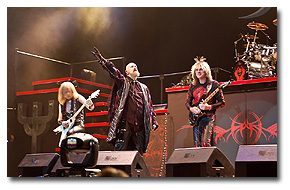
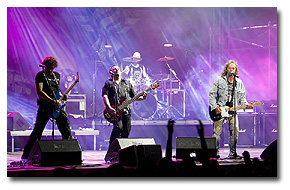
"Judas Priest Forever!!" Hell, Yeah!!!! All hell broke loose during the 2022 ROCK'N ROLL Hall-of-Fame induction of the band, "Judas Priests". Their confidence, attitude, bravado, and unpredictable showmanship have electrified the audience. The guitar interplay between guitarists was outstanding; and their stage chemistry was amazing. Their "Bone Chilling" songs were:-"You have got another thing coming"; "Breaking the law"; and "Living after midnight". Those SONGS and the INTENSITY of the SOUNDS were ELECTRIFYING, EPIC, and TIMELESS. They have brought back 40-years of memories to the audience. For a moment, the audience felt they were in HEAVEN, and they were screaming with joy. If you didn't see the event, then check it out on YouTube. Judas Priest has finally EARNED its spot in the ROCK'N ROLL Hall of Fame. It was well DESERVED and long OVERDUE (15-Years Overdue). Proof they CANT keep JUDAS PRIEST down. SHOUT IT OUT for Judas Priest, "The Baddest Bad-Ass" Heavy Metal band on the PLANET. "Hell, Yeah!!!!" THANKS to you, the MILLIONS of STRONG and RENTLESS fans around the world, the new nominating committee, and everybody who have made it happened. "We LOVE you, BIG-TIME!!!". "Hell, Yeah!!!!"
Hallmarks For Our Longevity In Business When it comes to our Contractual Obligations(Transparency/Clarity of Agenda); and the Time-Frame:- "We DONT Monkey Around!!". Most importantly, is our Fiduciary duty / "Duty-of-Care" (Accountability/Due Diligence) to put Safeguards in place that will alert us about Nefarious Activities (Anomalies/ Irregularities / Impropriety/ Red-Flags), and QUICKLY intervene (Checks & Balances) and deter Transactions that are set-up/designed to extort/swindle money from you(Financial Oversight/Forensic Audit). Our VERIFIABLE BUSINESS Track Record; and our long-standing Business HISTORY are IMPECCABLE by ANY STANDARD in THIS Industry and in the OTHER FIVE(5) ECONOMIC SECTORS that we are SPECIALIZED in. We have NEVER try to CONTROLL WHAT ISNT ours to CONTROL; and PERSONALLY, we DONT CRAVE Public Attention / VALIDATION. Hence, we have DIVERTED the spotlight and ALL public attention towards our CLIENTS. THEY are the STARS. "When THEY shine, WE shine(TEAM-WORK). LOYALTY ALL THE WAY. Oh, Yeah!!!!!" Our network is VAST and VARIED; and the SYNERGIES we bring to EVERY client are LIMITLESS. We will help you make your Concert Tours and Long-term business plans Financially Successful; and we will keep EVERYTHING Discreet (Signed NDA) for your Personal Safety, as we have done for others in the entertainment Industry. Testimonials that we have received during our annual clients/artists survey are overwhelmingly impressive. They thank God we have their backs(Excellence of Execution and Clients/Artists Satisfaction). We understand the Economics of the Industry and the Financial Reporting Complexities that are associated with Tour Expenses; Promotion Costs; Royalty Tracking; Accounts Receivable Collections; Overseas Earnings; On-shore and Off-shore Transactions; Tariffs; Sales Tax(U.S.A.); VAT(in 38 OECD Countries); GST & VAT(Australia); GCT(Jamaica); Transfer Tax Credit; Activity-based Costing; Interstate Tax Credit; Foreign Tax Credit; Foreign Income Exclusion; International Tax Treaties, etc., etc. Our CONTINUALLY updated Tax DATABASE contains over 1,000 Tax Strategies that are UNIQUE to your industry. It enables us to use the BEST Tax-efficient Structure that will MINIMIZE your PERSONAL and BUSINESS Tax Liabilities; and MAXIMIZE your CASH-FLOW, WORKING CAPITAL, and DISPOSABLE INCOME, without raising a Red Flag.
Artists and DJs we want as Clients.
What we want UP-FRONT from Artists & DJs. #1)If you are an Artist or DJ and you are planning a concert tour (for Verification and for Tax Planning purposes; and to save you millions of dollars in expenses and taxes) we want a copy of the contract that you signed with the Record Company/Label and with each Event Promoter or Booking Agent that book your tour/shows, including a copy of your Tour Schedule/Itinerary. #2) If you are resolving a tax problem/dispute, in the USA or Overseas, we need a copy of the letter that you received from the IRS in the USA; or the IRD in the Foreign Country. Lets work on that TODAY!!
What More Do We Bring To The Table We have a lot of things going on; and our Clients are Eager and Happy to do business with us because they know they are in Capable Hands. "We Don't Monkey Around!". We get things done quickly. We deliver exceptional results every time; and we are not a "One-Trick Pony". Hence, in ADDITION to those Benefits that we have discusses above:- a) Are you planning to sign a new contract/record deal? How about a deal like this:-80% Royalty and 50% Publishing rights, in addition to keeping ownership of your masters? That's Leverage!! That is where your Money, Wealth, and Negotiating Power are. We work with clients who have those deals. b)If you are a singer-songwriter and you perform your own original songs, how about an exclusive worldwide publishing deal that covers your full catalog/catalogue and future works? We work with clients who have those deals. c)How about Royalty Auditing to ensure you have received every contractual distribution from record labels, merchandizing, publishing companies, etc.? How about Intellectual Property Valuation of your recording/publishing catalog and catalog acquisition, etc.? d)How about the Taxation Aspects of Marriage, Separation, and Divorce? Time for a Reflection. As of 2025 the Divorce Laws in the USA have change. By law, no spouse will be able to come into a marriage empty handed and walk away with 50% of the other spouse assets during a divorce. Each spouse assets BEFORE the marriage will be listed in a SEPERATE Prenuptial Agreement. During a divorce each spouse will keep the assets S/HE had brought into the marriage; and share whatever assets they have accumulated together during the marriage. Hence, no spouse will become a Sitting Duck while the other Spouse is smiling all the way to the bank. Each spouse should Contact a Family-Law Attorney and set up HIS/HER separate Prenuptial agreement. e)We bring decades of Practical Insights, Strong work ethics, Integrity, and Quick, Effective, and Efficient business execution strategies to EVERY area/niche in the entertainment industry (Music, Films, Fashion, Sports, and Culinary). We also have in-depth knowledge and "Industry-Specific" experiences in Real-Estate, Transportation(Air, Land, and Sea), Hospitality, Medical, and Insurance. We work with clients in those industries every day (Those industries are listed on the left hand side of this website). We are current on those issues that pertain to the USA and European Employment and Tax Compliance rules; and our clients have received Exceptional Results and Peace-of-Mind.
Events Execution Plan Here is an E-mail we received: - "I have just signed with Columbia Records and I received an advance against my recording contract. Would you like to be my business manager?" Reply to the E-mail: - Thanks for your Inquiry. We have received many similar offers. I would suggest that you signed to a Management Firm that has ties to a Booking Agency. They have a Roster/List of Talent Buyers (Talent Scouts) and Concert Promoters who will book your concert tours/shows at venues in the USA and Overseas. We are Entertainment Tax-Accountants, Business Advisors, and PR Experts. If you need me to get involve/participate, I can work independently and/or in tandem with your team. You will benefit tremendously from TWO of my specialties:-
Our Business Operations Policy (Transparency / Clarity of Agenda):-We care about your Well-being; and your Present and Long-term Financial Successes. You will NEVER get stuck in a contract with us. You can terminate your agreement with us ANYTIME. We have seen how PEER PRESSURE has affected Artists who have refused to be String Along ("Refused to go along to get along") and get Strung Out. You can count on us for STRAIGHT-FORWARD advice that will help you side-step Controversies, Mischief, Malevolence, Scurrilous Attack, and other "Halla-baloos"; and stay FOCUS, and maintain your SANITY/ PRUDENCE / SELF-ESTEEME in a SOMETIMES weird / creepy / toxic / demonic / predatory ENVIRONMENT. We do not disclose non-public personal information about our clients to anybody (IRC section 6713), except as permitted by law, through a power of attorney signed by our clients; or a court order directing us to make disclosure. We OPERATE on the BUSINESS, TAXATION, and PR sides of this industry; and we are MISSION-DRIVEN. We are FOCUS on EXECUTION, FINANCIAL / FISCAL PRUDENCE, RESULTS, PROFITABILITY, and ACCOUNTABILITY. We DONT need CHEAP Publicity and we DONT CRAVE Public Attention. We are NOT hungry for SCANDAL and DRAMA; and we DONT get involve in Un-NECESSARY / USELESS Criticism of others (Hatred, Malicious Mischief, and Conflict of Interest). Those things CANT bring us MONEY. EVERY new Artist/Client will undergo a VERIFICATION and SUITABILITY Check even when our MOST Trusted Advisors recommend them to us. We are leaving NOTHING to chance. That is how we know when to REFUSE an OPPORTUNITY. Similarly, EVERYBODY is FREE to SCRUTINIZE us BEFORE they do BUSINESS with us (PRO-ACTIVE Risk Management). We are TRANSPARENT(above-board), FACTUALLY-DEEP, and VERY SPECIFIC; and we HONOR Our COMMITMENTS/Obligations. EVERYTHING that we have done for our clients was DISCUSSED with them, and APPROVED by them (Written Consent); and a COPY was given to them. They have taken our advice; and NONE of them have had to endure Financial hardship, Taxation nightmares, Sleepless Nights, or file for Bankruptcy.("Duty of Care").
OUR FEE STRUCTURE:- Barry's Accounting Services, Corp. delivers superb service at an unbeatable price. We have THREE pricing/fee structures. Pick ONE:- #1) GIVE US CREDIT:- DONT pay us! Keep the money, and give us credit on your new album that is ready to be released. #2) FULL PACKAGE:- The fee is 3% to 5% (Value for Money). This is a Flat Fee for each service that we PROVIDE. This fee is an INVESTMENT you make to MINIMIZED your Taxes. It is also a TAX-DEDUCTIBLE and RE-COUPABLE EXPENSE that will ALLOW you to keep MORE CASH-FLOW / LIQUIDITY. #3)TAXATION only:- The fee STARTS at US $1,275. You have to file tax returns in EVERY STATE and COUNTRY where your concerts are held (INTERNATIONAL TAXATION). We have the EXPERTISE("Industry-Specific" Knowledge); CLEAR VISION, SHARED-PASSION and WORK ETHICS. We are very efficient and business savvy. NOBODY works HARDER than us to bring clients EXCEPTIONAL results/benefits, and Peace-of-Mind EVERYTIME. You have a lot of work to get done. Time Management is VERY important to us. Call us or send us an E-mail and lets start, TODAY!
=====================OVER-VIEW=====================
How I learn the Ins and Outs of the industry #1)I have Studied Accounting & Taxation at NYU and the University of London. #2)I have taken selective entertainment classes at Manhattan School of Music, and the University of Southern California to strengthen my Business Acumen and Communicate Effectively with my clients and key people in the industry. This also enables me to see/spot opportunities that clients may have overlooked or didn't know existed; and execute their lofty strategic plans with Optimal Efficiency. My clients have confidence in me because I thoroughly understand their industry operations (Industry-Specific Knowledge), the goals they set for themselves, and the challenges they will face. They know they are in Capable Hands; and they know I have their back and I am going HARD for them. I am a BUSINESS MAN and a TAXATION SPECIALIST. I am NOT a musician; and I am NOT a music/record producer(The same way, NOT every Record Company Executive know how to play a Guitar like SLASH from GUNS'N ROSES; or play the Saxophone like MILES DAVIS; or perform at record breaking concert tours like TAYLOR SWIFT. However, we expect those executives to managing their responsibilities proficiently). I have an EAR for GREAT music and I have a comprehensive understanding of the industry operation; and I can speak the language ("Industry-Specific" Knowledge). I have a collection of "Hits" from almost every genre of music. Some of the songs/music in my collection are "Vintage". Upon release, I can tell almost instantly that a song/album will become a hit/monster. I am correct / accurate 99.5% of the time. This is how I SCORE every SONG:- (Concept; great intro.; clarity; pace; structure/form; lyrical content; selection & flow; performance style; voice/vocals; artist/backup vocalizing; combination of notes and chords; chords progressions; modes; instrumentation; bars; chorus; punch lines; melody; rhythm; catchy hooks; perfect timing; bridges; build-up/suspension; perfect drops; beats; volume; mix/remixes; arrangement; perfect sound; vibrancy/energy; harmony, re-mastered (Rolling Stones re-master 2009 song "Start me up"). When I am scoring the performance of MUSICAL BANDS (Rock and Heavy Metal):-Guns N Roses; AC/DC; Scorpions; U2; Metallica; Def Leppard; White Snake; Bonfire; Motley Crue; Iron Maiden; Judas Priest; The Who; Radio Head; Rolling Stones; Dire Straits; Led Zeppelin; Pink Floyd; Aerosmith; Poison, etc.) My score card will include additional comments like:-(Improvisational piece on the guitars and drums; Best sounding drums; Drummer is Epic/Heroic (beat, rhythm, tempo, flow, and timing are impeccable); Lead Guitarist has perfect timing & great performance style with improvisational piece; Guitars & Vocals are complementary and mesmarising; Electrified the audience; Their stage chemistry is amazing; Phenomenal harmonies; Poetically heartening & brilliant; A lyrical masterpiece; Original song and sound well produced; Live performance matches recorded version; Best version/awesome; Those songs/music are vintage but they are fresh like they were recorded yesterday; An extraordinary group). #3)I have taken California Baby Bar Exam (Contract Law, Tort, and Criminal Law). #4)I have Worked temporarily/Internship for A&M Records and Arista Records in the 1980s. #5)IRS Enrolled Agent-1989 to present (Music, Films, and Sports Tax Audits). #6)Exceptional Results and Happy Clients are everything(Quick and Effective Execution). I have solved most issues in ONE day that have kept others frustrated for ONE month. I am "WICKED" with numbers. The more complex, the better; and the bigger the loopholes. I am a Taxation Specialist, Financial Strategist, and a Business Consultant for an entertainment giant(USA and Europe Divisions)- Non Disclosure Agreements or NDAs. I have Direct Connection to Tax Strategists and Industry Consultants around the world. How we know about Artists & DJs:- Rolling Stone and Billboard Magazines subscriptions; YouTube; and promotional campaigns on Radio and TV in the USA and Overseas to publicized the release of their albums/singles and tour dates/bookings. We watch fans attendance, participation, and the energy in the venue/arena (stage presence, performances, and fans reactions). How we obtain Artists & DJ clients:-Direct Mailing from our exclusive database; Family-Law Attorneys preparing Pre-nuptial and Divorce Agreements; A&R; Artists Business Managers; AND Entertainment Attorneys. Every New client goes through a Verification/Suitability/Clearance check, even when our trusted advisors/contacts make recommendations to us. That's the key we use to identifying when we must refuse an opportunity(Pro-active Risk Management). We help each client Pick/Choose/Select specific services that they need; and those services are included in a written contract that is signed by the client and us. Barry's Accounting Services, Corp. has ALWAYS honor its agreement as stipulated in the written contract with EVERY artist/artist manager. Services we can provide the Artist or DJ are as follows:- Design business strategies and articulate strategic plans that fit into aggressive marketing and public relations campaigns; ensure tours and release of your album are treated as priority; establish a corporation to manage business-related income, expenses, and investments in accordance with current bookkeeping/ accounting and tax rules; provide the artist/manager with clear weekly/monthly financial reports; review promoters general/spectator liability insurance policy, event cancellation policy, artist non-appearance option; review contracts and modify exclusions, power of attorney, key-man clause, sunset clause, back-end/front-end deals, guarantees(multiple shows, favorable routing, bookings in other regions, etc.) and ensure the artist receives adequate and timely payment from the record label, publishers, promoters, sponsors, merchandisers, etc.; help the artist re-negotiate/buyout of existing contract(s) ONLY if the artist is our client and requests our involvement ; budget and coordinate concert tours; communicate with booking agents, label A&R department, and sponsors liaisons; review prenuptial agreements and divorce decrees for tax consequences before the artist signs them; prepare a personal financial/retirement plan for the artist; plan, purchase, manage, and sell business entities approved by the artist; connect artist to overseas promoters and foreign entertainment accounting firms if the artist is our client and that service becomes necessary and it is in the best interest of the Artist; Audit(tour accounting, royalty, publishing and merchandising companies) and hold everybody accountable for the artists money; prepare personal and corporation tax returns; assist artist with purchasing, renovating, insuring, leasing, and selling real estate, boats and planes; screen key employees and business associates, and coordinate special events on your behalf.
Click here for "Financial Planning & Wealth Management"
Related expenses:- Baby-sitter, maids, chef, butler, and gardener/caretaker (Forms W2, household employees vs. independent contractors), advertising and promotion, printing, postage, stationery, charitable contributions, insurance (property, health, disability, medical, and long term care), medical expenses, bank charges, pension contributions, transportation (air, limousine, tour buses, trucks), taxes and permits (local and foreign), meals, lodging, costumes, studio fees, rehearsal space, hall/stadium rent, lodging while on tour, leases, depreciation deduction, organizational expenditures/deferred expenses, musical instruments and related accessories, equipment repairs, opening acts/artist, stage lighting and decorations, audition fees, portfolio and resume, professional/membership dues, telephone and answering service, electricity, health club, physical training/education, script preparation, dance lessons, voice training, casual labor/stage hands, co-writers, record producers, mixers, taste makers, remixers, hit makers, engineers, co-publishers, costumes, rehearsal clothing/props, tips backstage (dressers, doormen, porters, bell hops, etc.), theatre books, sheet music, scripts, score cards, the cost of attending plays, movies, and concerts to observe trends in your industry and to maintain and improve skills in your profession, celebration, and special events in accordance with industry norm.
Click here for "Entertainment Discussions" Click here for "The Culinary Industry" Click here for "The Sports Industry" Click here to read "Music Blogs"
|
|
||||||||||||||||||||||||||||||||||||
|
|
||||||||||||||||||||||||||||||||||||||||